

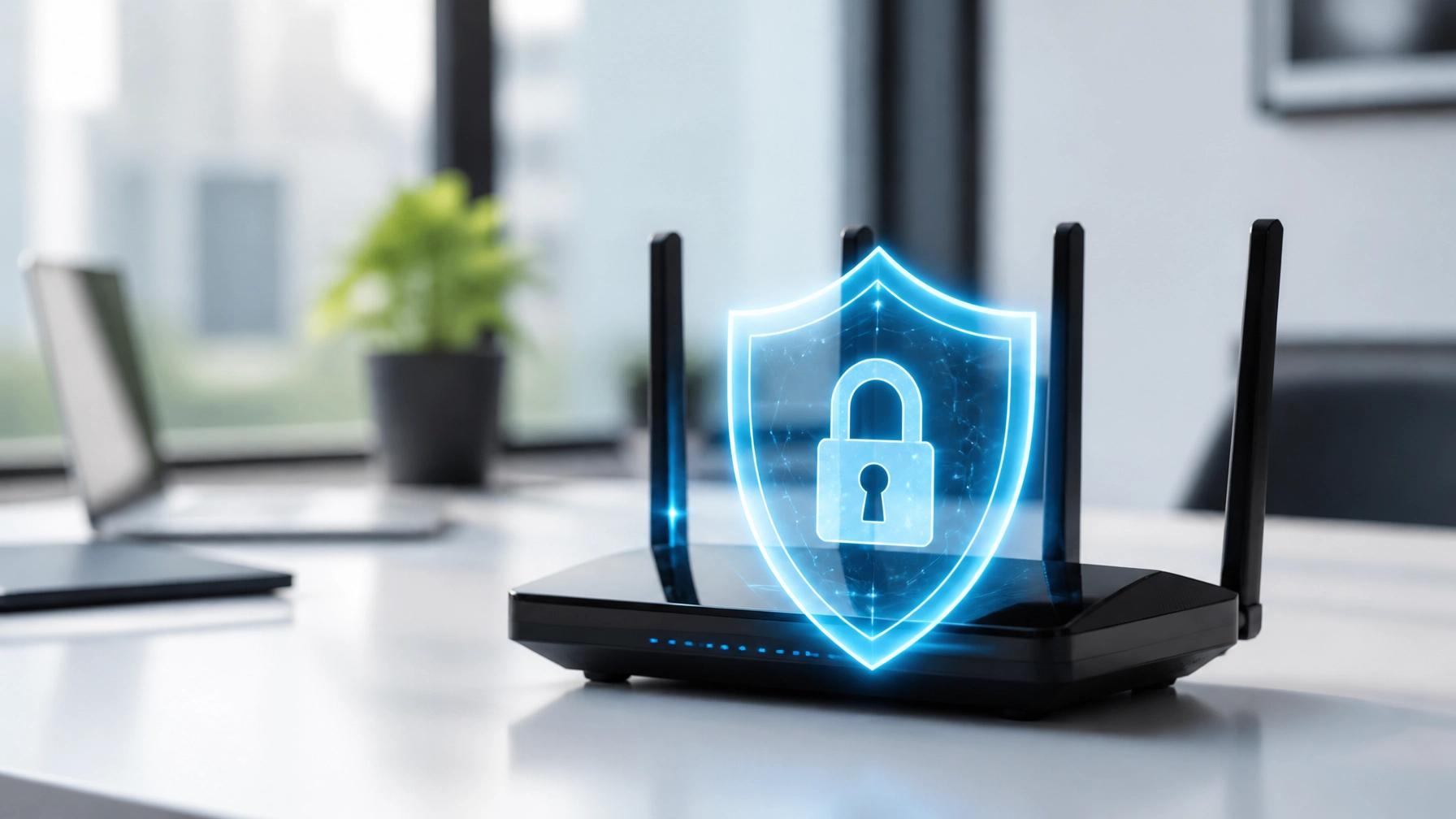
Let me ask you something: Would you leave the front door to your business wide open, with a sign pointing straight to the safe?
Of course you wouldn’t. You’ve got locks, cameras, and maybe even an alarm system. You do it because you know that a physical break-in could ruin everything you’ve worked for.
But here’s the problem: Right now, there’s a different kind of "front door" that many businesses are leaving wide open. It’s your router. It’s your server. It’s the very technology you rely on to stay in business.
And here’s where it gets scary: State-sponsored hackers and cybercriminals are already walking through those open doors.
CISA has just issued a massive wave of warnings for July 15, 2026, and if you’re running a small business, you need to pay attention. From Russian intelligence targeting your network hardware to "zero-day" flaws in Microsoft and SonicWall, the threats are real, they are active, and they are looking for a way into your data.
Threat Summary: The Digital "Front Doors" Under Attack
Think of your IT infrastructure like a house. This week, we’ve learned that the locks on the gate, the front door, and even the internal safe are all being targeted simultaneously. Here is the breakdown of what the Cybersecurity and Infrastructure Security Agency (CISA) is tracking right now.
1. Russian FSB Targeting Your Network Edge
A state-sponsored Russian group known as "Center 16" (part of the FSB) is currently running a global campaign. They aren't using fancy, high-tech hacking tools to get in. Instead, they are looking for "dirty" routers.
They are scanning the internet for devices with weak passwords, default settings, or outdated firmware. Once they find one, they take control. From there, they can "pivot" into your internal network, watch your traffic, and steal your data.
It’s like someone finding the spare key you hid under the mat and letting themselves in whenever they want.
2. The SharePoint Triple Threat
Microsoft SharePoint is a staple for many offices, but right now, it’s a major target. Three specific flaws (CVE-2026-32201, CVE-2026-45659, and CVE-2026-56164) are being used in a chain.
First, hackers bypass your authentication. Then, they execute code remotely. Finally, they steal what are known as "IIS keys."
Imagine a burglar who doesn't just steal your TV, but also steals the master key to every other room in the building. That’s exactly what stealing those keys allows them to do: they can impersonate anyone in your company and move through your systems undetected.

3. Microsoft AD FS and SonicWall Zero-Days
A "zero-day" is a vulnerability that the "good guys" didn't know about until the "bad guys" started using it. This week, we have several:
- Microsoft AD FS (Active Directory Federation Services): A flaw (CVE-2026-56155) allows a local attacker to jump from a basic user to a full administrator.
- SonicWall SMA1000: These remote access devices have two critical zero-days (CVE-2026-15409 and CVE-2026-15410) that are being exploited right now. If you use these for your remote workers, you are at high risk.
4. Industrial Control Systems (ICS) Risks
If your business involves manufacturing or utility management, the "Patch Tuesday" for industrial systems was particularly brutal. Siemens, Schneider Electric, and Rockwell Automation combined for dozens of advisories, many of them critical. These aren't just about data; they are about the machines that keep your business running.
Business Impact: Why This Matters to You
It’s easy to read these technical terms and think, "That’s for the IT guys to worry about." But the truth is, the impact falls squarely on the business owner.
When a Russian state-sponsored actor sits on your router, they aren't just looking for government secrets. They are looking for anything they can use: client lists, bank details, or even just a way to launch a ransomware attack.
Think about what happens if your SharePoint server is compromised.
- Your sensitive data is exposed.
- Your employees’ identities can be stolen.
- Your business operations could come to a screeching halt.
For a small business, a single successful breach can be devastating. It’s not just the cost of fixing the problem; it’s the loss of trust from your customers and the weeks of downtime while you try to recover.

Most small business owners shouldn't have to stay up at night worrying about "deserialization flaws" or "IIS key theft." You have a business to run. But these threats don't care how busy you are. They rely on the fact that you might be too busy to check your router firmware or update your server.
Platinum Insight: How to Slam the Door Shut
At Platinum Web Services, we believe in proactive strategy. You shouldn't be reacting to a disaster; you should be preventing it. Here is the actionable advice we are giving our clients today to stay ahead of these CISA advisories.
Step 1: Audit Your Network Edge
Check your routers today. If you are using default passwords or "easy" ones like Admin123, change them immediately. Ensure your firmware is updated to the latest version. If your router is more than five years old, it might be "end-of-life," meaning it no longer receives security updates. If that's the case, replace it.
Step 2: Patch Your Servers: Now
If you run an on-premises SharePoint or AD FS server, do not wait until the weekend to patch. These vulnerabilities are in the "Known Exploited Vulnerabilities" (KEV) catalog for a reason. Hackers are already using them.
Step 3: Secure Your Remote Access
If you use SonicWall SMA1000 appliances, install the urgent hotfix (build 12.4.3-03453 or 12.5.0-02835) immediately. There is no workaround for this. If you can't patch it right away, you should consider taking the device offline until you can.
Step 4: Implement MFA Everywhere
Multi-Factor Authentication (MFA) is one of the best ways to stop a hacker even if they steal a password. It adds that extra layer of security that "Center 16" and other groups hate to see.

We’re Here to Help
Navigating the world of managed IT services and cybersecurity can feel like learning a second language. You don't have to do it alone.
We specialize in taking the "IT burden" off your shoulders. We monitor these CISA alerts in real-time, handle the patching, and ensure your network design is robust enough to withstand these types of attacks.
If you’re worried about your current security posture or if you just want the peace of mind that comes with a professional IT audit, let's talk. You can check our Security Hub for more updates or contact us directly.
Your business is too important to leave the door unlocked. Let's make sure it's shut tight.
0 Comments